WINTER ROOTS: Going Deep When the Surface Is Frozen

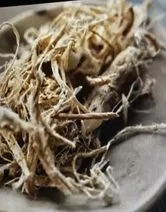
Marshmallow Root

(Althaea officinalis)

Marshmallow grows in cold, wet marshes and riverbanks where most plants would rot. It survives by storing moisture in its roots as a thick substance called mucilage. This mucilage isn't just water, it's a complex polysaccharide that holds moisture in a gel matrix, protecting the plant's cells from freezing and drying out simultaneously.

When we apply this fluffy marshmallow root to skin, that same mucilage creates a breathable hydration veil on our skin. It doesn't just sit on the surface. It binds water into your deeper tissue layers and holds it there, the way the plant holds moisture through freezing nights. The polysaccharides also calm inflammation and cool heat, which is why marshmallow is so soothing for red, irritated winter skin.

But here's what I find most interesting: marshmallow is also a lymphagogue, meaning it stimulates lymphatic movement. So it's simultaneously holding moisture in your skin and moving stagnant fluid out. It hydrates and drains at the same time.

When your skin needs it: Dehydrated, tight, inflamed skin that can't hold moisture. Compromised barriers that feel raw.

Marshmallow Root is found in Laurel Skin’s:

Hydrating Elixir I
Almond Rose Exfoliation Mask
Gentle Mask
Winter Elixir
Hydration Compound
Recovery Balm

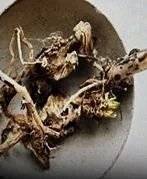
Astragalus Root

(Astragalus membranaceus)

Astragalus grows in harsh, dry climates at high altitudes where it has to withstand extreme temperature swings and intense UV exposure. To survive, it produces adaptogenic compounds, especially saponins and polysaccharides, that help the plant adapt to whatever stress comes its way.

In Traditional Chinese Medicine, astragalus, (the quiet architect of resilience) is used to build deep constitutional strength. It's not a quick fix. It's about fortifying your foundation so you become more resilient over time. The same compounds that help the plant withstand environmental extremes help your skin build stronger connective tissue and a more robust barrier.

Astragalus is especially good for reactive, sensitized skin because it doesn't suppress your immune response, it harmonizes it. It teaches your skin to stop overreacting to every trigger. The saponins also have a unique ability to penetrate deeply because they're both water and oil soluble, carrying other beneficial compounds with them into your tissue.

When your skin needs it: Reactive, sensitive skin that's easily irritated. When stress is showing up as inflammation and weakness in your barrier.

Astragalus Root is found in Laurel Skin’s:

Hydrating Elixir I
Winter Elixir
Hydration Compound
Unburden Serum
Night Balm

Next
Next

Hydrate + Seal: The Secret to Thriving Winter Skin